ᕼᗩᒪᒪOᗯᗴᗴᑎ

What is Halloween? It’s a simple question that you’ve been able to answer since you were old enough to go trick-or-treating…or is it? Most people don’t know the true origins of this now-commercialized holiday. As it exists today in the United States, Halloween is a day when we can all indulge in the darker, creepier side of life and loads of candy. It’s a lot of fun, a little spooky, and anything but serious. But historically, the holiday was religious in nature and extremely significant to the culture of the people who celebrated it. Before you deck your halls with ghosts, goblins, and assorted ghoulish decorations this year, find out how America’s favorite holiday got started.

Tᕼᗴ ᑕᗴᒪTIᑕ TᖇᗩᗪITIOᑎ
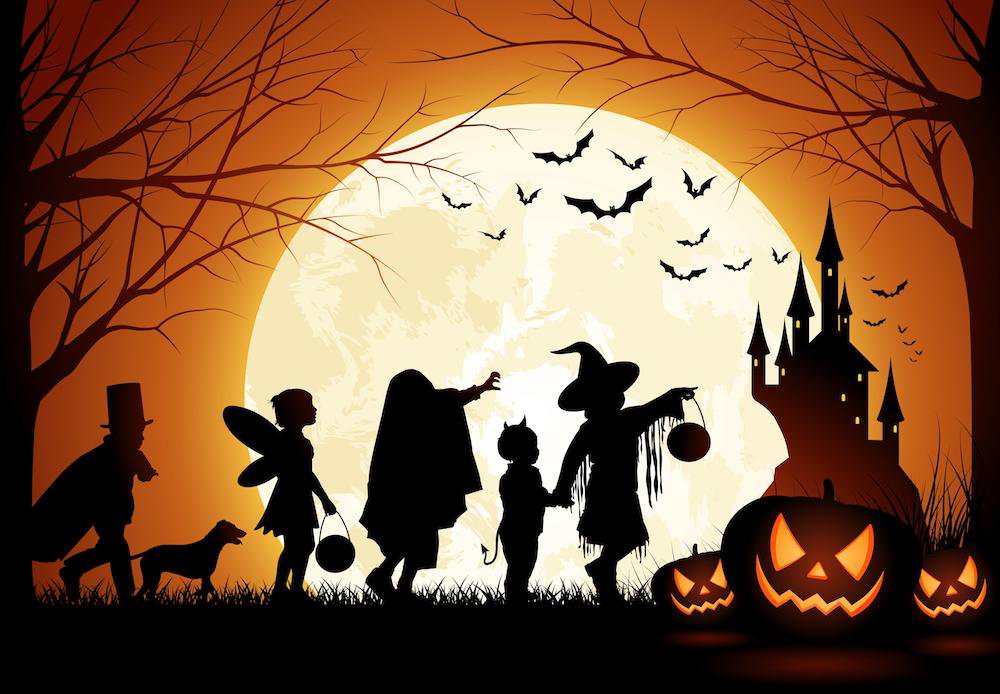
Halloween can be traced back to an ancient Celtic holiday called Samhain, celebrated in what is now Ireland, Scotland, and England, as well as parts of Northern Europe. Starting around 2,000 years ago, the three-day pagan religious festival began around October 31 to honor the harvest and prepare for the “the dark half of the year”. The ancient Celts believed that on this day, the line between the living and the spiritual realm was blurred—meaning that ghosts from beyond could visit the living and monsters could find their way into people’s houses.

Those celebrating aimed to ward off as much evil as possible. They held special rites to keep monsters, witches, and evil fairies at bay. They told tales about mythological heroes and the underworld. And they tried to protect themselves against evil. How? By dressing up as monsters so they wouldn’t be kidnapped or consumed by actual monsters.

ᕼOᗯ Tᕼᗴ ᖇITᑌᗩᒪՏ ᗴᐯOᒪᐯᗴᗪ
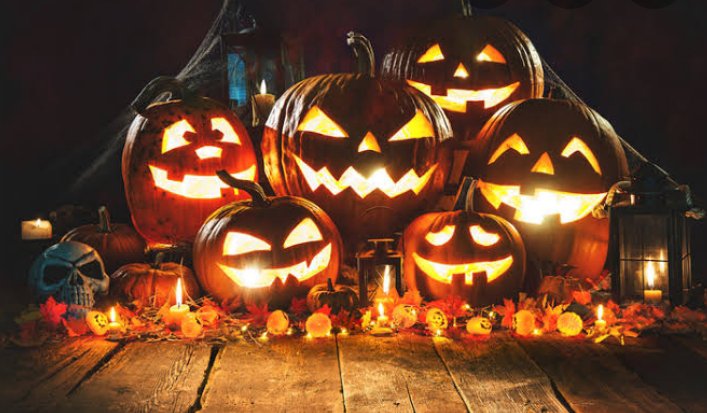
Celtic priests (also known as Druids) started the holiday with a bonfire to welcome the spirits back to the world of the living. During this ritual, they burned crops and animals as sacrifices to the gods. They also focused on the temporary return of their loved ones. In fact, children would play games with the dead at their homes, and adults would hold conversations with them.

But it was the dark side of the holiday that inspired many of the Halloween traditions we embrace today, as people tried to protect themselves against evil spirits “in search of mischief.” For example, in addition to dressing up to disguise themselves to fool these spirits, people carried treats as bribes in case they were confronted by them. And they carried jack-o’-lanterns made out of turnips not only to light up darkness but also as another way to scare off these unsavory spirits. (It was much later that Irish immigrants swapped out the turnips for the now-ubiquitous pumpkins.

ᕼOᗯ ᑕᕼᖇIՏTIᗩᑎITY ᑕᕼᗩᑎᘜᗴᗪ ᗴᐯᗴᖇYTᕼIᑎᘜ (ՏOᖇT Oᖴ)
It’s no coincidence that a few Catholic holidays fall right around Halloween. In the eighth century, Pope Gregory III moved the feast of All Martyrs’ Day from May 13 to November 1 and turned it into All Saints’ Day. Then, in 1000 A.D., the Catholic Church added All Souls’ Day (which focuses on praying for the dead) on November 2. Why? To help further the transition from paganism to Catholicism. And it worked. All Souls’ Day embraced many of Samhain’s celebrations, including bonfires, parades, and costumes—though now people mainly dressed up as saints, angels, and devils. October 31 was subsequently called All Hallows’ Eve…and then Halloween.

ᗯᕼᗴᑎ ᕼᗩᒪᒪOᗯᗴᗴᑎ ᗩᖇᖇIᐯᗴᗪ Iᑎ Tᕼᗴ ᑌᑎITᗴᗪ ՏTᗩTᗴՏ
Halloween was a tough sell in early colonial America because of the new population’s strict religious beliefs, but it was more commonly celebrated in Maryland and the South. And as the Europeans mingled with the Native Americans, traditions evolved even further. Halloween festivities meshed with autumn festivals and featured celebratory public events, singing and dancing, ghost stories, and pranks. But it wasn’t until the second half of the 19th century that Halloween really became popular in the United States. Why? Irish immigrants escaping the Potato Famine brought their ideas and traditions about Halloween along with them.

ᕼOᗯ ᕼᗩᒪᒪOᗯᗴᗴᑎ ᗷᗴᑕᗩᗰᗴ Tᕼᗴ ᖴᖇIᘜᕼTᖴᑌᒪᒪY ᖴᑌᑎ ᕼOᒪIᗪᗩY ᗯᗴ KᑎOᗯ ᗩᑎᗪ ᒪOᐯᗴ TOᗪᗩY
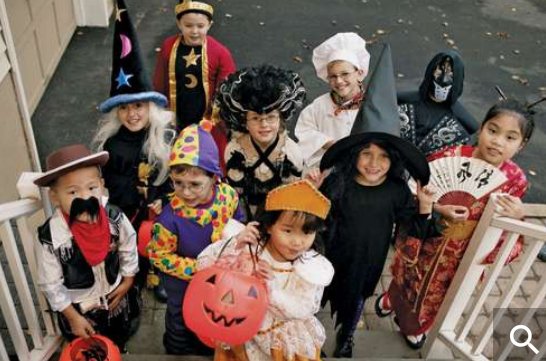
In this new whimsical context, Americans adopted the Celtic tradition of dressing up and transformed it into what we now know as trick-or-treating. By the 1930s, Halloween became almost completely secularized, while All Saints’ Day became more of a religious holiday. To this day, some devout people are strictly against celebrating the holiday as anything other than a religious day.

In the late 20th and early 21st centuries, Halloween became increasingly about commercialism and profits. In fact, Americans were expected to spend $9 billion on Halloween in 2018, according to the National retail Federation, a number that continues to increase each year. So how is Halloween celebrated these days? You can probably answer that question yourself: with costumes, parties, toys, and candy showing up in stores earlier and earlier every year.

ᗯᕼᗩT ᕼᗩᒪᒪOᗯᗴᗴᑎ ᒪOOKՏ ᒪIKᗴ Iᑎ OTᕼᗴᖇ ᑕOᑌᑎTᖇIᗴՏ
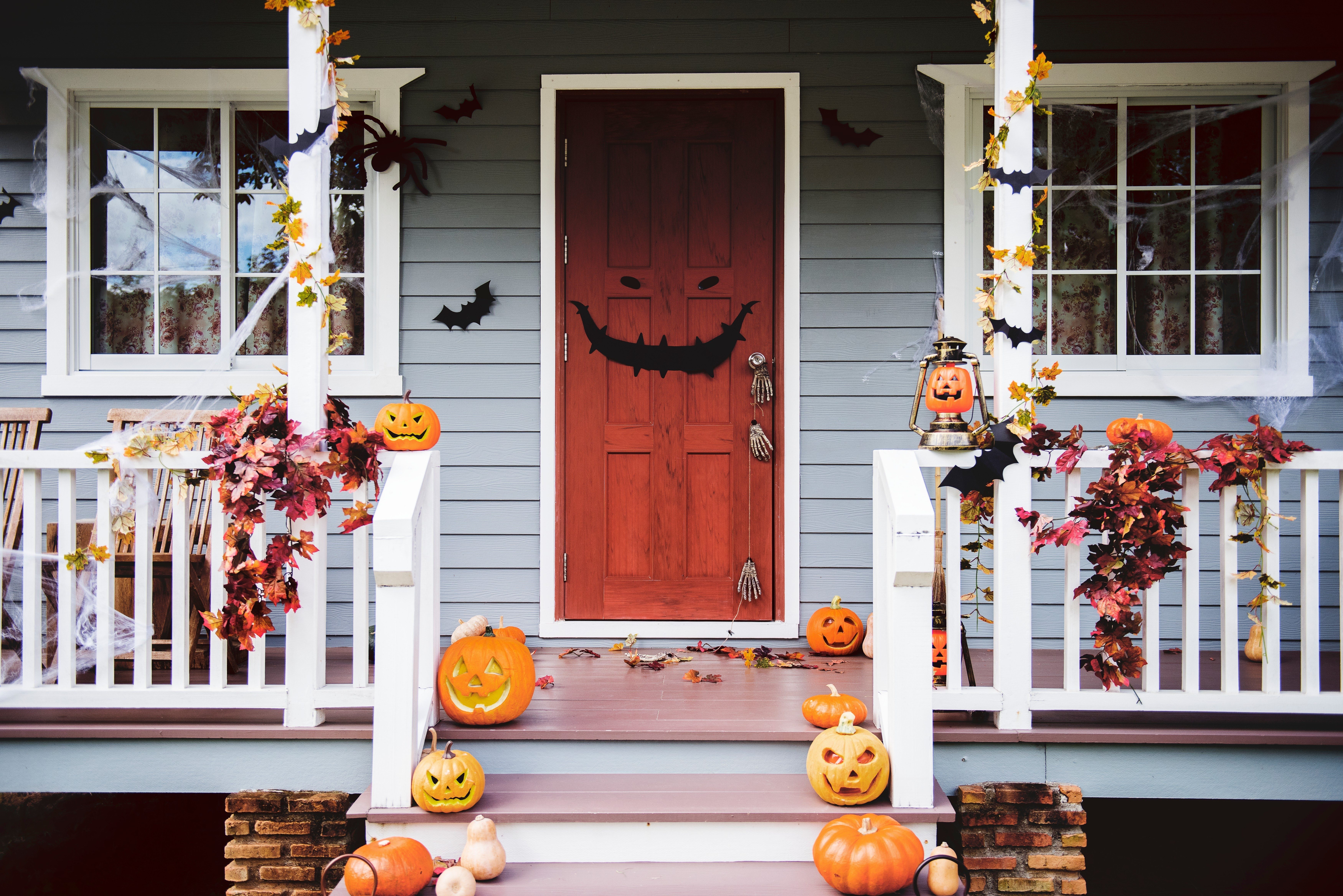
Halloween pumpkins and decorations outside a house

It’s safe to say that Americans are Halloween-obsessed, but not everyone around the world is. How is Halloween celebrated elsewhere? In Canada and Ireland, the celebrations are similar, but in England, Halloween is generally not celebrated at all.that was a result of the Protestant Reformation. Instead, the U.K. celebrates a completely unrelated holiday around this time (on November 5th, to be precise). Guy Fawkes Day, which revolves around the execution of an infamous traitor, features bonfires, burning effigies, and fireworks.

In Mexico, people celebrate Día de los Muertos, the Day of the Dead. While it takes place right after Halloween, it is very different in tone and intent, says National Geographic. Yes, people do dress up as colorful skeletons and celebrate in the streets, but the point is to honor the dead and welcome their spirits back to Earth during this time, not to be fearful of them. To celebrate, people also adorn the graves of their ancestors with decorations and offer food to let them know that they haven’t forgotten them. 

sᴇʟғ ᴅᴇғᴇɴᴄᴇ

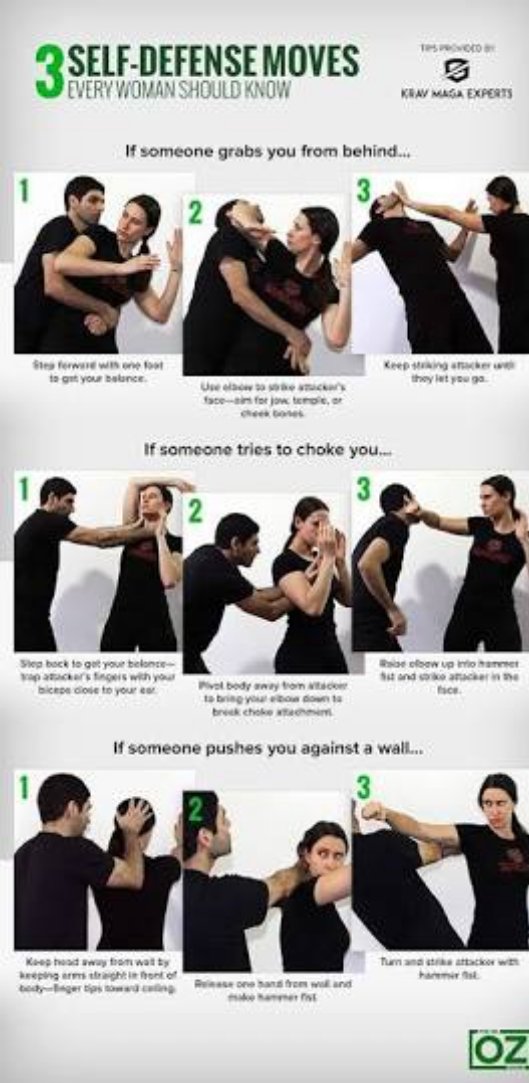
Krav Maga Worldwide

Why is Self-Defense Training Necessary?

The importance of self-defense trainingcannot be overemphasized. There are many reasons why self-defense is important. The world can be a dangerous place. Learning to defend yourself and the people you love from those who would do you harm is an important part of staying safe and being a more confident person.

The fitness benefits that come with training in a self-defense program include a myriad of physical, mental, and emotional benefits that can help you lead a happier, healthier, and more productive life.

What is self defense?

To understand why training for self-defense is important, it helps to understand what it entails. Self-defense is the training and techniques necessary to defend yourself when targeted by crime or violence. There will always be thieves who want to take what isn’t theirs, and predators who want to hurt or humiliate others. When you train in self-defense, you gain the tools to stay safe from danger.

It’s not uncommon to be nervous when you begin training. At first, there will be a lot of awkwardness with new movements, soreness from muscles that are seldom used, and exhaustion as you begin a new routine. These things become more familiar with time, and eventually you will recognize that you are gaining new skills and health benefits that weren’t there before. Let’s take a look at what you gain and why self-defense is so important.

The Benefits of Self-Defense Training

The Ability To Defend Yourself And Your Loved Ones – There it is. The most important aspect of self-defense trainingand, really, it’s primary purpose. By training, you prepare your mind and body to respond to threats against your safety or your life. The truth in today’s society is that help is not always available in time to make a difference.

So why is it important for us to learn specific techniques? When under the pressure of a stressful situation, especially an attack or survival situation, people automatically revert to what they’ve practiced. Stress makes it difficult to adapt to circumstances we haven’t encountered or prepared for.

That’s why self-defense is important. It lets you take charge and defuse, de-escalate, or defend yourself and those around you. By training and preparing for the worst-case scenario, you better your odds of surviving if such a situation occurs.

Physical Habits That Create And Maintain A Healthier You – Participating in self-defense training is great exercise. Self-defense training will get your blood pumping and your lungs working, leading to a more powerful and efficient cardiovascular system. As you train and push your body you will be involving your entire musculoskeletal system and your muscles  will get stronger and more, very often, more flexible.

Your metabolism will also increase as a result of regular training, likely leading to weight loss.

A Sharper Mental Focus –In addition to your body, you’ll also be training your mind, which is another reason that self-defense training is important. As part of your training, you will learn to make effective decisions and act decisively in dangerous situations.

This confidence carries over into your everyday activities. You’ll become more self-disciplined and goal-oriented. There is a peace to be found in the ability to take care of yourself, and it shows in your everyday interactions.

A Network Of Friends And Colleagues –You will sometimes hear students refer to their training as their martial arts career. The work you put into it, alone and in groups, directly influences what you will get out of your training. As with any job, you’ll build interpersonal relationships with your peers based on shared challenges, triumphs, and experiences. This gives a support network that stretches beyond the gym.

𝙰𝚁𝚃𝙸𝙲𝙻𝙴

Self-defense (self-defence in some varieties of English) is a countermeasure that involves defending the health and well-being of oneself from harm.The use of the right of self defense as a legal justification for the use of force in times of danger is available in many jurisdiction.

Physical

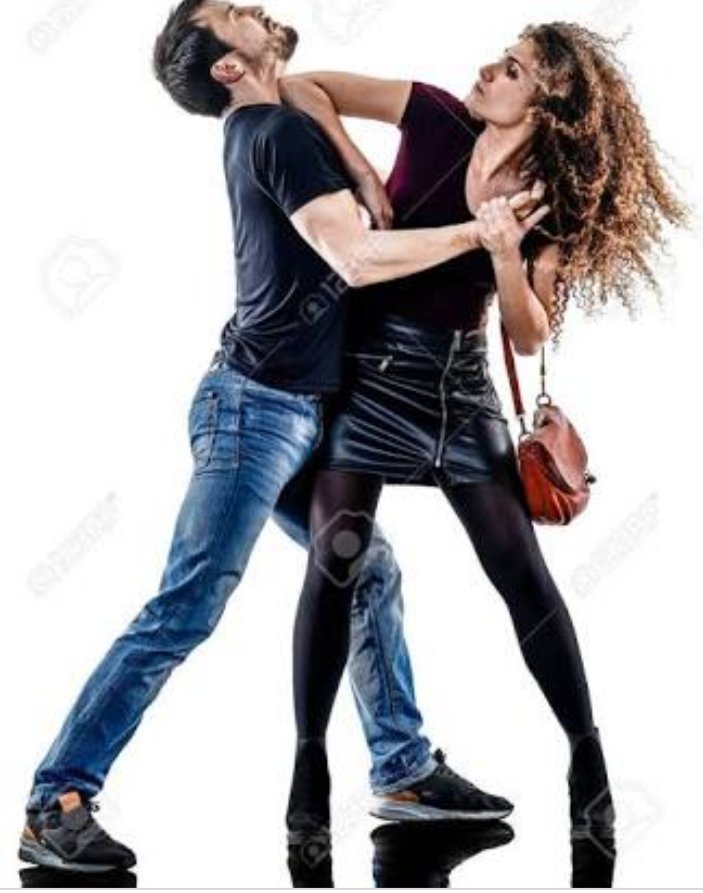
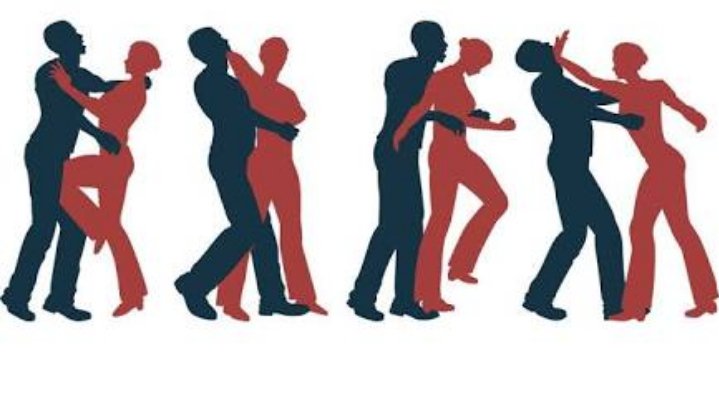
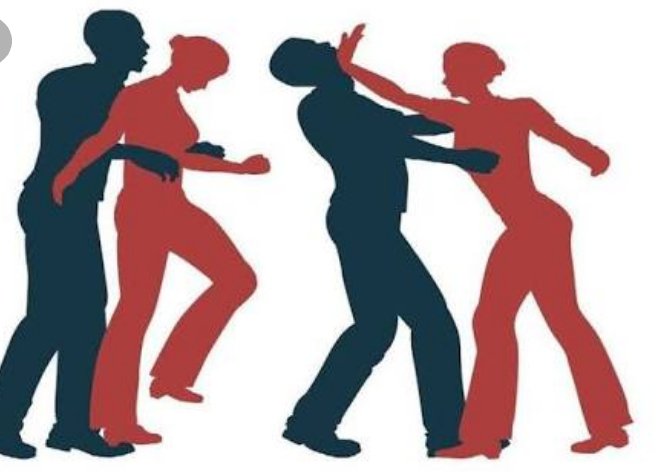
Physical self-defense is the use of physical force to counter an immediate threat of violence. Such force can be either armed or unarmed. In either case, the chances of success depend on various parameters, related to the severity of the threat on one hand, but also on the mental and physical preparedness of the defender.

Unarmed

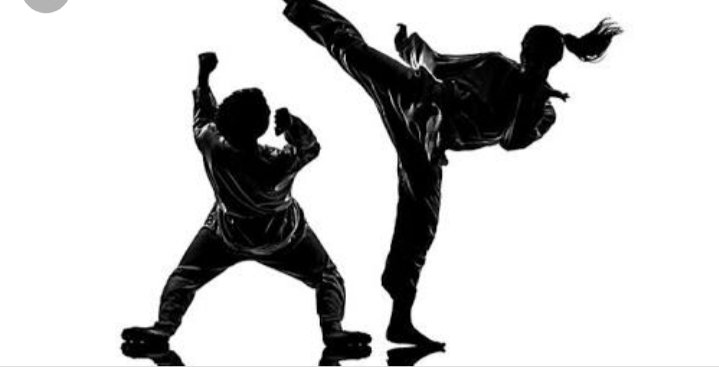
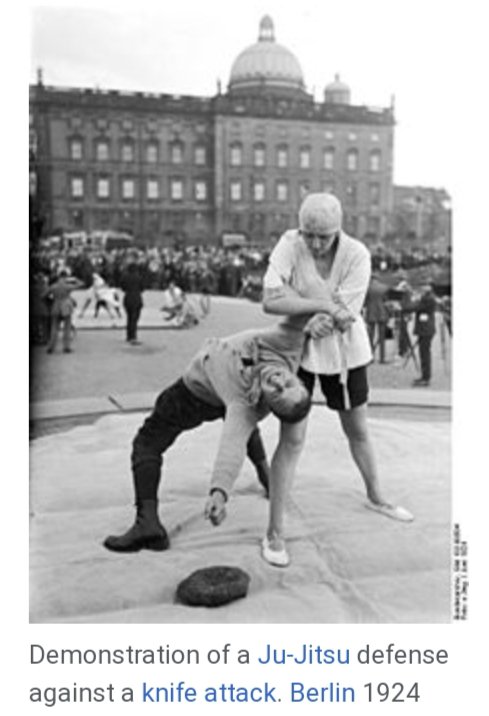
Many styles of martial arts are practiced for self-defense or include self-defense techniques. Some styles train primarily for self-defense, while other martial or combat sports can be effectively applied for self-defense. Some martial arts train how to escape from a knife or gun situation, or how to break away from a punch, while others train how to attack. To provide more practical self-defense, many modern martial arts schools now use a combination of martial arts styles and techniques, and will often customize self-defense training to suit individual participants.

Armed

A wide variety of weapons can be used for self-defense. The most suitable depends on the threat presented, the victim or victims, and the experience of the defender. Legal restrictions also greatly influence self-defense options.

In many cases there are also legal restrictions. While in some jurisdictions firearm’s may be carried openly or concealed expressly for this purpose, many jurisdictions have tight restrictions on who can own firearms, and what types they can own. knives, especially those categorized as switchblades may also be controlled, as may batons,pepper spray and personal stun guns and tasers- although some may be legal to carry with a license or for certain professions.

Non-injurious water-based self-defense indelible dye-marker sprays, or ID-marker  or DNA-marker sprays linking a suspect to a crime scene, would in most places be legal to own and carry.

Everyday objects, such as flashlights, baseball bats, newspapers, keyrings with keys, kitchen utensils and other tools, and hair spray aerosal cans in combination with a lighter, can also be used as improvising weapons for self-defense.

𝚆𝙾𝙼𝙴𝙽’𝚂 𝚂𝙴𝙻𝙵 𝙳𝙴𝙵𝙴𝙽𝙲𝙴

According to Victims of Sexual Violence: Statistics on Rainn, about “80 percent of juvenile victims were female and 90 percent of rape victims were adult women”. In addition, women from ages 18 to 34 are highly at risk to experience sexual assault. According to historian Wendy Rouse in Her Own Hero: The Origins of Women’s Self-Defense Movement, women’s self-defense training emerged in the early twentieth century in the United States and the United Kingdom paralleling the women’s rights and suffrage movement. These early feminists sought to raise awareness about the sexual harassment and violence that women faced on the street, at work, and in the home. They challenged the notion that men were their “natural protectors” noting that men were often the perpetrators of violence against women. Women discovered a sense of physical and personal empowerment through training in boxing and jiu-jitsu. Interest in women’s self-defense paralleled subsequent waves of the women’s rights movement especially with the rise of Second-wave feminismin the 1960s and 1970s and Third-wave feminism in the 1990s. Today’s Empowerment Self-Defense (ESD) courses focus on teaching verbal and psychological as well as physical self-defense strategies. ESD courses explore the multiple sources of gender-based violence especially including its connections with sexism, racism, and classism. Empowerment Self-Defense instructors focus on holding perpetrators responsible while empowering women with the idea that they have both the right and ability to protect themselves.

𝚂𝙴𝙻𝙵-𝙳𝙴𝙵𝙴𝙽𝙲𝙴 𝙴𝙳𝚄𝙲𝙰𝚃𝙸𝙾𝙽

Self-defense techniques and recommended behavior under the threat of violence is systematically taught in self-defense classes. Commercial self-defense education is part of the martial ways industries in the wider sense, and many martial arts instructors also give self-defense classes. While all martial arts training can be argued to have some self-defense applications, self-defense courses are marketed explicitly as being oriented towards effectiveness and optimized towards situations as they occur in the real world. Many systems are taught commercially, many tailored to the needs of specific target audiences (e.g. defense against attempted rape for women, self-defense for children and teens). Notable systems taught commercially include:

  • Civilian versions of modern military combatives, such as Kravmaga, Defendo, Spear, Systema
  • Jujutsu and arts derived from it, suchas Aikijujutsu,aikido,Bartitsu,German jujutsu,Kodokaniki jujutsu,  kodokan Goshin Jutsu.
  • Model Mugging
  • Traditional unarmed fighting styleslike karate, Taekwondo, Kung fu, Hapkido, Pencak Silat, etc. These styles can also include competing.
  • Traditional armed fighting styles like KaliEskrima and Arnis. These include competing, as well as armed and unarmed combats.
  • Street Fighting oriented, unarmed systems, such as Jeet Kune Do, kajukendo, Won Sung Do and keysi Fighting Method
  • Martial sports, such as boxing, kickboxing, Muay Thai, savate, shoot boxing, Sanshou, grappling, judo, Brazilian jiu-jitsu, Sambo, mixed martial arts, and wrestling.

𝕎𝔼𝔻 𝕄𝔼 𝔾𝕆𝕆𝔻

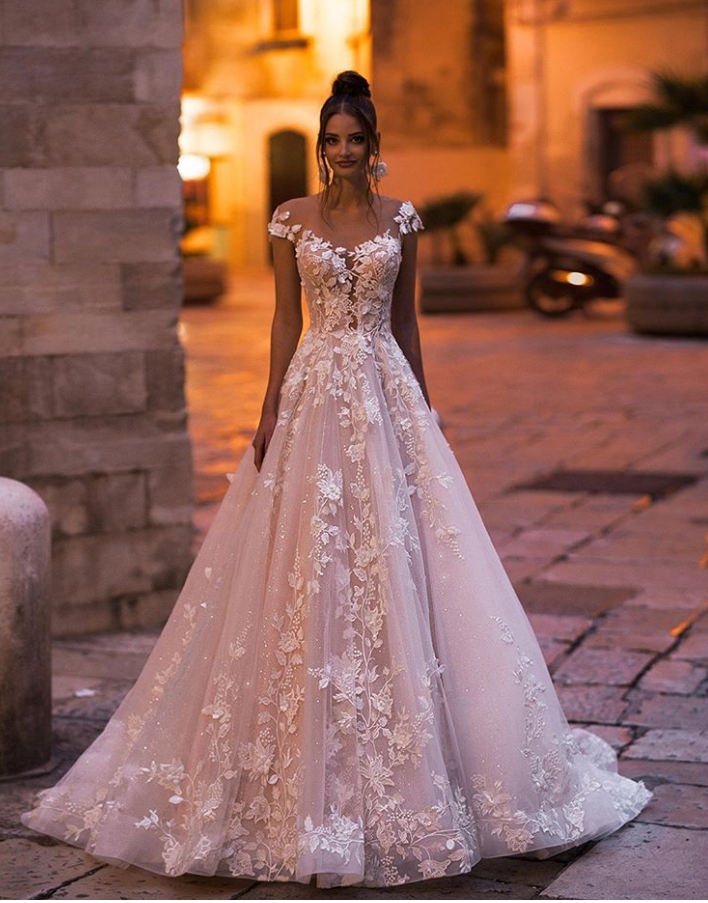
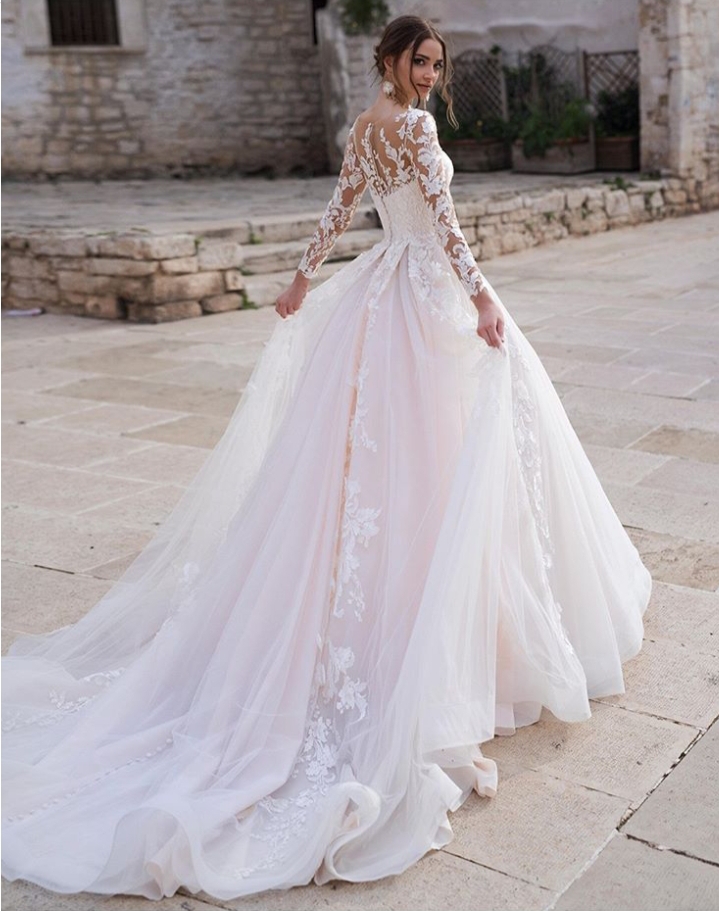
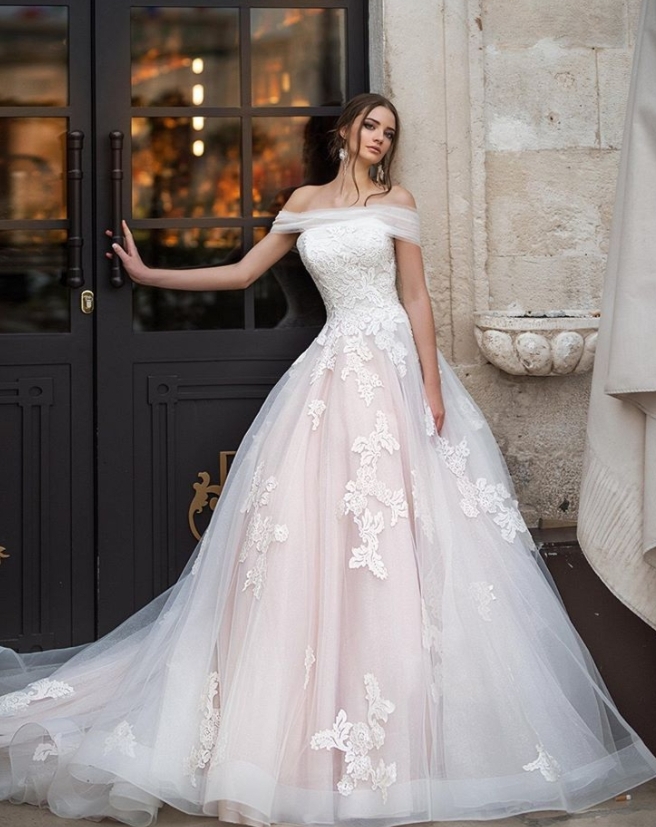
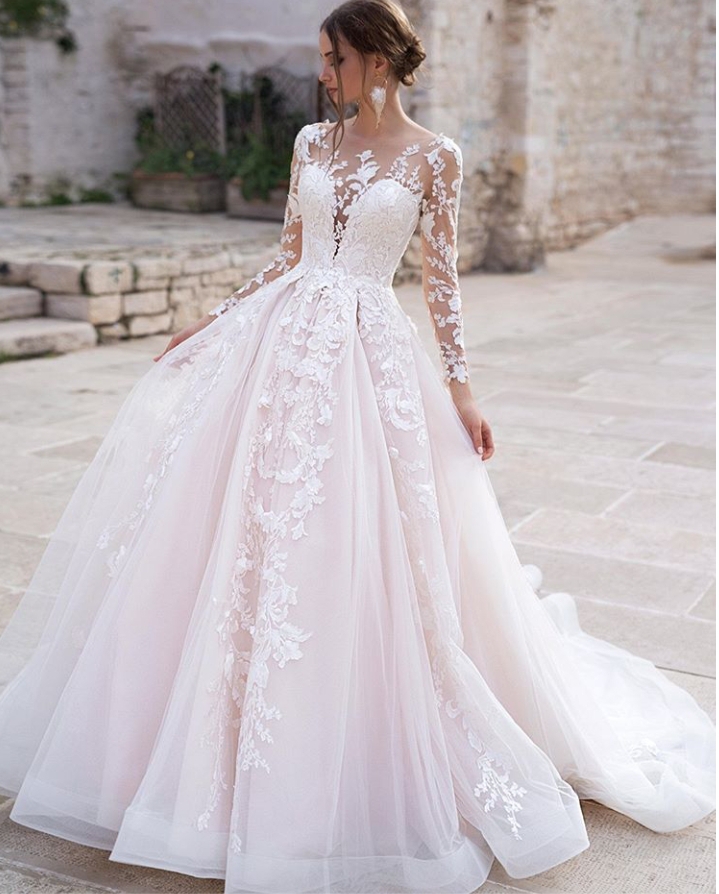
Your wedding dress serves as a reminder for that special day, the day of your dreams. Brides spend a lot of time and money finding their perfect wedding dress for the perfect wedding, so seeing the wedding dress will cause those happy memories to come flooding back. The wedding dress is the stuff of dreams for many aspiring women and brides to be.

Though in history the wedding dress came to represent the end of a woman’s identity as an individual and a move to being a dependent wife, it now importantly signifies the end of singlehood to a new commitment and partnership. But many brides it’s also a statement piece that makes them feel perfectly special on their memorable day. Whether bought, custom-made, or passed down, it’s the dress that captures the beauty of the bride for all guests to see as she walks down the aisle. Despite no longer representing things like social status, wealth or virginity, traditional white gowns are still the popular choice for modern brides and remain a key part of making a wedding the important milestone that it is.

Traditions vary between cultures, religions and societies, however since the beginning the bridal outfit has been worn to present the bride in the best light for a momentous life occasion. From Medieval times and throughout early Western society, marriages may not have been to secure love between two people — it may have also been a matter of politics, part of a business deal or a union between families. It was therefore important that the bride dressed in the most presentable way as she represented much more than herself.

The introduction of the traditional white wedding gown also brought about a deep importance in the ceremony — white symbolised purity and the virginity of the bride.

Today, this isn’t the case — women mostly have the freedom choose their ideal wedding dress no matter the colour, fabric, shape or style. However the wedding dress is still such an important part of a marriage.

From royal weddings galore to It-girl nuptials, like Priyanka Chopra’s many celebrations with Nick Jonas and Chiara Ferragni’s Italian spectacular with Fedez, 2018 was a huge year for weddings. With this throng of top-notch nuptials and the latest bridal, Couture, and ready-to-wear collections, we’re predicting the wedding dress trends of 2019.

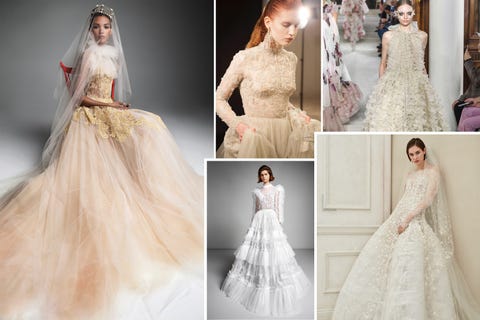
The global runways—from New York bridal week to Paris Haute Couture—are giving the 2019 bride lots of thematic and fashion remixes to work with. Think Louis XIV-inspired ruffles, ’70s disco, and sleek silhouettes fit for metropolitan minimalists. Classic bridal archetypes are getting an overhaul as well; the beach bride is a little more gamine and sultry than bohemian, and the rustic bride has taken on a new polish, via our favorite It-girl trend, the Fashion Fairy Nymph.

In 2019, old world is new again in the form of fresh embellishments, large doses of color, and statement details that pack a punch. Here, the top trends that will set the tone for all 2019 aisles.

image

It may be residual regal inspiration from The Duchesses of Sussex and York, or a strong reaction to fashion’s progressively casual takes on street style—but nonetheless, long live exaggerated puff sleeves, ruffles, and confection-like skirts.

2019 bridal and Couture is stepping back in time to periods of courtly dress, featuring large pleated ruffs, ultra-high necklines, and Victorian-inspired everything. When dressing for a church ceremony, traditional affair, or an ultra-romantic formal event, channel your inner Marie Antoinette.

Meghan and Eugenie may have gone modern for their recent weddings, but it seems the fashion set prefers you turn up the volume on all things royal.