
Why is Self-Defense Training Necessary?
The importance of self-defense trainingcannot be overemphasized. There are many reasons why self-defense is important. The world can be a dangerous place. Learning to defend yourself and the people you love from those who would do you harm is an important part of staying safe and being a more confident person.
The fitness benefits that come with training in a self-defense program include a myriad of physical, mental, and emotional benefits that can help you lead a happier, healthier, and more productive life.
What is self defense?
To understand why training for self-defense is important, it helps to understand what it entails. Self-defense is the training and techniques necessary to defend yourself when targeted by crime or violence. There will always be thieves who want to take what isn’t theirs, and predators who want to hurt or humiliate others. When you train in self-defense, you gain the tools to stay safe from danger.
It’s not uncommon to be nervous when you begin training. At first, there will be a lot of awkwardness with new movements, soreness from muscles that are seldom used, and exhaustion as you begin a new routine. These things become more familiar with time, and eventually you will recognize that you are gaining new skills and health benefits that weren’t there before. Let’s take a look at what you gain and why self-defense is so important.
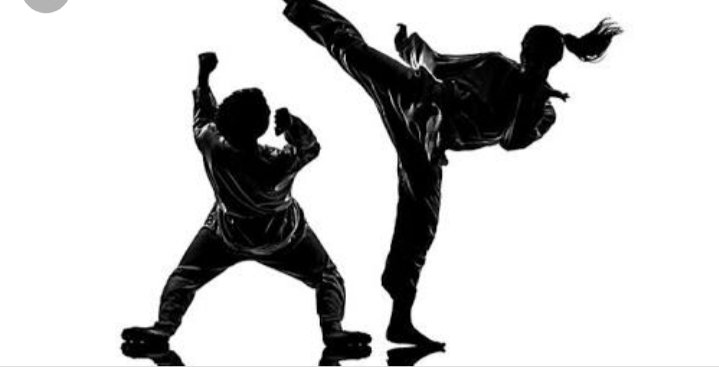
The Benefits of Self-Defense Training
The Ability To Defend Yourself And Your Loved Ones – There it is. The most important aspect of self-defense trainingand, really, it’s primary purpose. By training, you prepare your mind and body to respond to threats against your safety or your life. The truth in today’s society is that help is not always available in time to make a difference.
So why is it important for us to learn specific techniques? When under the pressure of a stressful situation, especially an attack or survival situation, people automatically revert to what they’ve practiced. Stress makes it difficult to adapt to circumstances we haven’t encountered or prepared for.
That’s why self-defense is important. It lets you take charge and defuse, de-escalate, or defend yourself and those around you. By training and preparing for the worst-case scenario, you better your odds of surviving if such a situation occurs.

Physical Habits That Create And Maintain A Healthier You – Participating in self-defense training is great exercise. Self-defense training will get your blood pumping and your lungs working, leading to a more powerful and efficient cardiovascular system. As you train and push your body you will be involving your entire musculoskeletal system and your muscles will get stronger and more, very often, more flexible.
Your metabolism will also increase as a result of regular training, likely leading to weight loss.
A Sharper Mental Focus –In addition to your body, you’ll also be training your mind, which is another reason that self-defense training is important. As part of your training, you will learn to make effective decisions and act decisively in dangerous situations.
This confidence carries over into your everyday activities. You’ll become more self-disciplined and goal-oriented. There is a peace to be found in the ability to take care of yourself, and it shows in your everyday interactions.
A Network Of Friends And Colleagues –You will sometimes hear students refer to their training as their martial arts career. The work you put into it, alone and in groups, directly influences what you will get out of your training. As with any job, you’ll build interpersonal relationships with your peers based on shared challenges, triumphs, and experiences. This gives a support network that stretches beyond the gym.
𝙰𝚁𝚃𝙸𝙲𝙻𝙴
Self-defense (self-defence in some varieties of English) is a countermeasure that involves defending the health and well-being of oneself from harm.The use of the right of self defense as a legal justification for the use of force in times of danger is available in many jurisdiction.
Physical
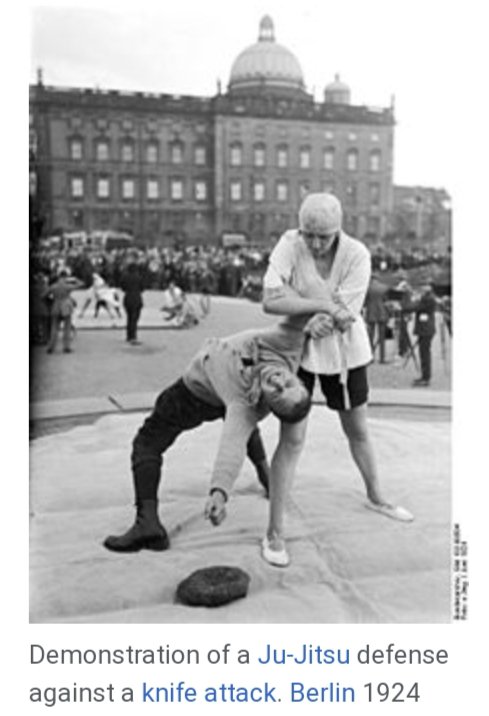
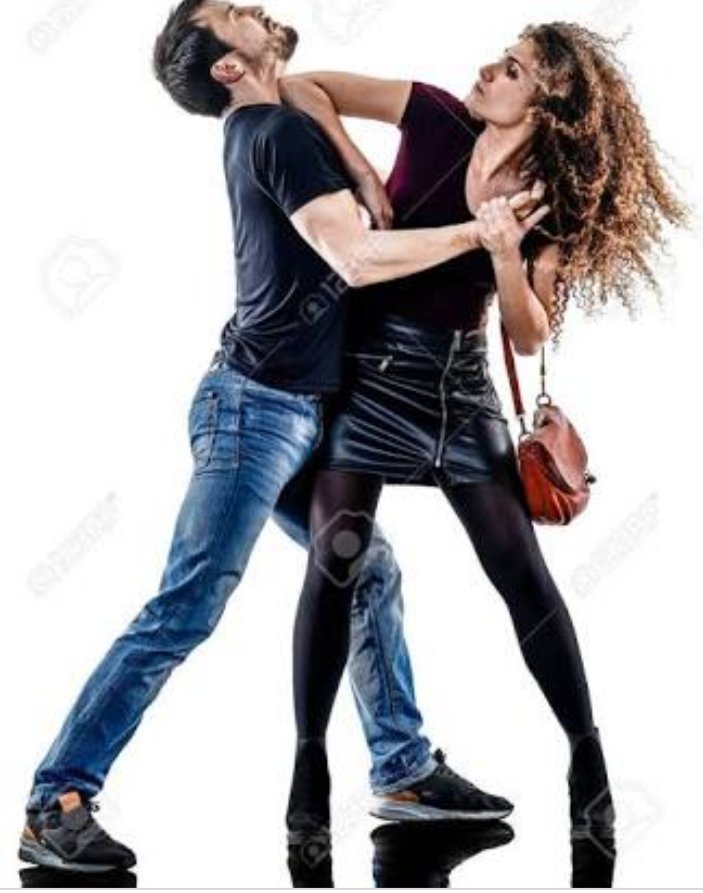
Physical self-defense is the use of physical force to counter an immediate threat of violence. Such force can be either armed or unarmed. In either case, the chances of success depend on various parameters, related to the severity of the threat on one hand, but also on the mental and physical preparedness of the defender.
Unarmed
Many styles of martial arts are practiced for self-defense or include self-defense techniques. Some styles train primarily for self-defense, while other martial or combat sports can be effectively applied for self-defense. Some martial arts train how to escape from a knife or gun situation, or how to break away from a punch, while others train how to attack. To provide more practical self-defense, many modern martial arts schools now use a combination of martial arts styles and techniques, and will often customize self-defense training to suit individual participants.
Armed
A wide variety of weapons can be used for self-defense. The most suitable depends on the threat presented, the victim or victims, and the experience of the defender. Legal restrictions also greatly influence self-defense options.
In many cases there are also legal restrictions. While in some jurisdictions firearm’s may be carried openly or concealed expressly for this purpose, many jurisdictions have tight restrictions on who can own firearms, and what types they can own. knives, especially those categorized as switchblades may also be controlled, as may batons,pepper spray and personal stun guns and tasers- although some may be legal to carry with a license or for certain professions.
Non-injurious water-based self-defense indelible dye-marker sprays, or ID-marker or DNA-marker sprays linking a suspect to a crime scene, would in most places be legal to own and carry.
Everyday objects, such as flashlights, baseball bats, newspapers, keyrings with keys, kitchen utensils and other tools, and hair spray aerosal cans in combination with a lighter, can also be used as improvising weapons for self-defense.
𝚆𝙾𝙼𝙴𝙽’𝚂 𝚂𝙴𝙻𝙵 𝙳𝙴𝙵𝙴𝙽𝙲𝙴
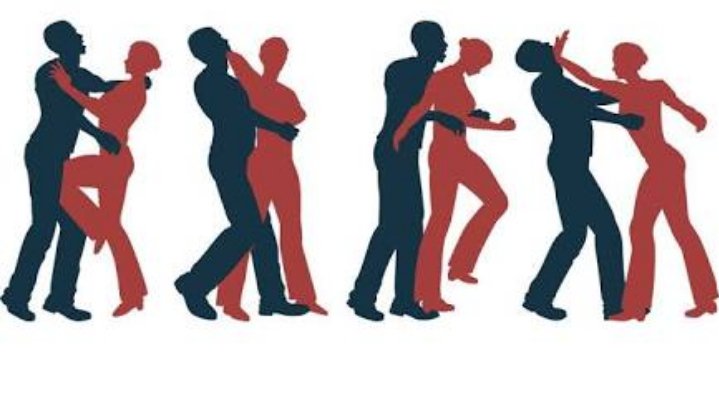
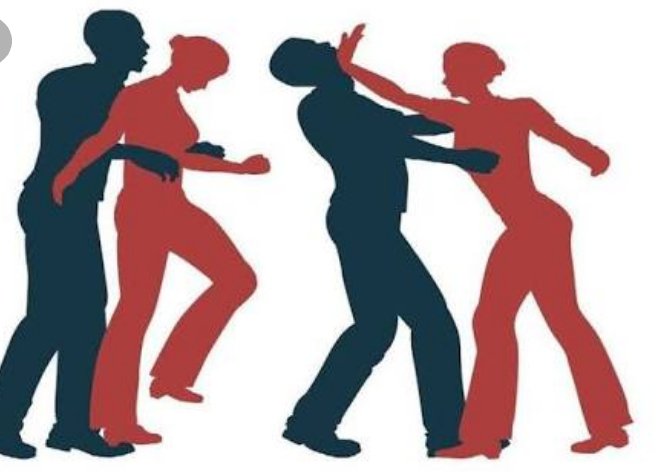
According to Victims of Sexual Violence: Statistics on Rainn, about “80 percent of juvenile victims were female and 90 percent of rape victims were adult women”. In addition, women from ages 18 to 34 are highly at risk to experience sexual assault. According to historian Wendy Rouse in Her Own Hero: The Origins of Women’s Self-Defense Movement, women’s self-defense training emerged in the early twentieth century in the United States and the United Kingdom paralleling the women’s rights and suffrage movement. These early feminists sought to raise awareness about the sexual harassment and violence that women faced on the street, at work, and in the home. They challenged the notion that men were their “natural protectors” noting that men were often the perpetrators of violence against women. Women discovered a sense of physical and personal empowerment through training in boxing and jiu-jitsu. Interest in women’s self-defense paralleled subsequent waves of the women’s rights movement especially with the rise of Second-wave feminismin the 1960s and 1970s and Third-wave feminism in the 1990s. Today’s Empowerment Self-Defense (ESD) courses focus on teaching verbal and psychological as well as physical self-defense strategies. ESD courses explore the multiple sources of gender-based violence especially including its connections with sexism, racism, and classism. Empowerment Self-Defense instructors focus on holding perpetrators responsible while empowering women with the idea that they have both the right and ability to protect themselves.
𝚂𝙴𝙻𝙵-𝙳𝙴𝙵𝙴𝙽𝙲𝙴 𝙴𝙳𝚄𝙲𝙰𝚃𝙸𝙾𝙽
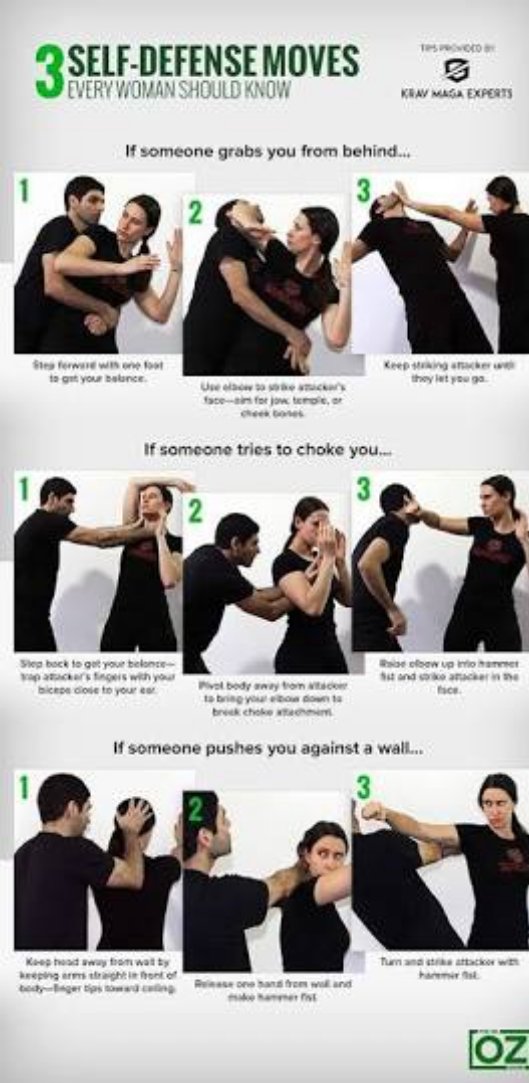
Self-defense techniques and recommended behavior under the threat of violence is systematically taught in self-defense classes. Commercial self-defense education is part of the martial ways industries in the wider sense, and many martial arts instructors also give self-defense classes. While all martial arts training can be argued to have some self-defense applications, self-defense courses are marketed explicitly as being oriented towards effectiveness and optimized towards situations as they occur in the real world. Many systems are taught commercially, many tailored to the needs of specific target audiences (e.g. defense against attempted rape for women, self-defense for children and teens). Notable systems taught commercially include:
- Civilian versions of modern military combatives, such as Kravmaga, Defendo, Spear, Systema
- Jujutsu and arts derived from it, suchas Aikijujutsu,aikido,Bartitsu,German jujutsu,Kodokaniki jujutsu, kodokan Goshin Jutsu.
- Model Mugging
- Traditional unarmed fighting styleslike karate, Taekwondo, Kung fu, Hapkido, Pencak Silat, etc. These styles can also include competing.
- Traditional armed fighting styles like KaliEskrima and Arnis. These include competing, as well as armed and unarmed combats.
- Street Fighting oriented, unarmed systems, such as Jeet Kune Do, kajukendo, Won Sung Do and keysi Fighting Method
- Martial sports, such as boxing, kickboxing, Muay Thai, savate, shoot boxing, Sanshou, grappling, judo, Brazilian jiu-jitsu, Sambo, mixed martial arts, and wrestling.

 pravalika.s 20191CSE0452
Best blog💯👌🏻🤝
LikeLiked by 1 person
Tqs priya 😍😘😘
LikeLike